How to Play Boombox — Complete Guide
Learn Boombox fundamentals, positioning, decision-making, team responsibilities, practice goals, and common mistakes.
FAQ
Is Boombox good for beginners?
How should you play Boombox?
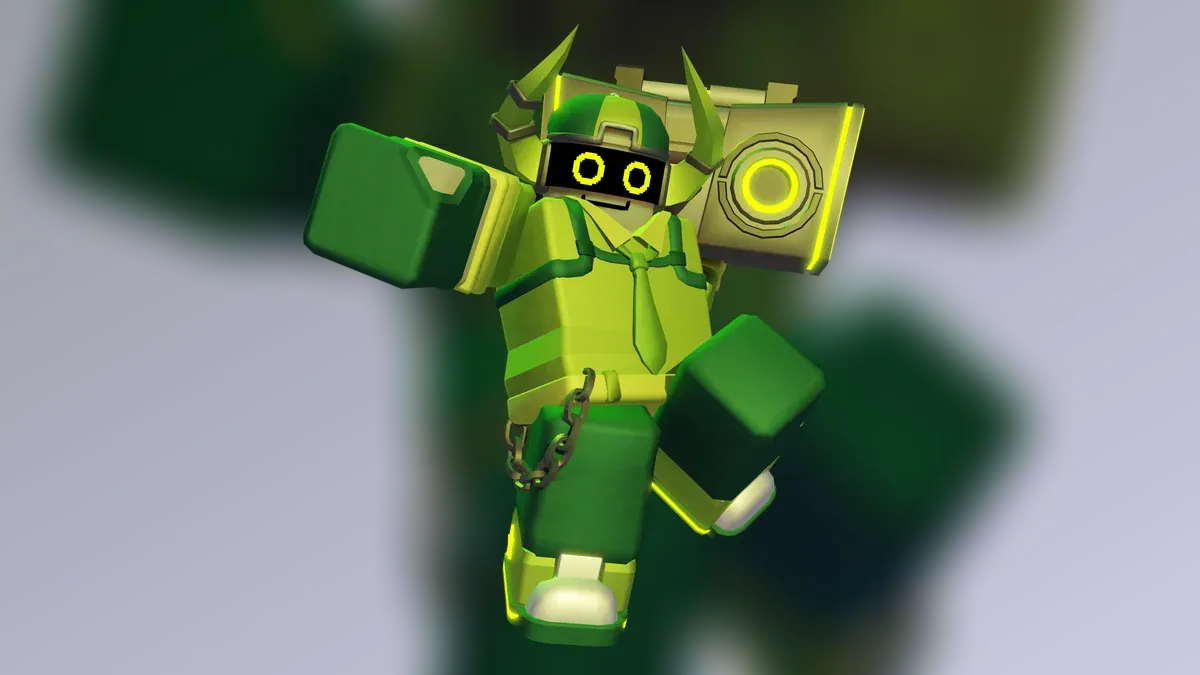
Play Boombox around a clear job: a protective support centered on timing, team proximity, and denying enemy pressure windows. Do not measure success only by eliminations; measure whether your pressure, positioning, and survival created a fight your team could actually follow.
What should you focus on first?
Track when the enemy is about to commit. Protective value is highest just before damage lands, not after allies have scattered. Use that sentence as a single-match practice goal rather than trying to master the entire kit at once.
| Priority | Practical cue |
|---|---|
| Strongest contribution | Protecting grouped allies |
| Positioning check | Using protection before pressure arrives |
| Team-play check | Standing too far from the team |
| Review question | Did the commitment create value before it spent your escape? |
What mistakes cost Boombox the most?
The most common problems are using protection before pressure arrives, standing too far from the team, holding resources through a lost fight. Before each engagement, identify the objective, a teammate who can follow, and a safe direction to reset. If one of those is missing, delay the commitment or change the angle.
How do you practice Boombox efficiently?
- Spend one match tracking effective range and cover.
- Spend one match checking allies before every commitment.
- Review one death caused by positioning rather than aim.
- Repeat the same goal on two different maps.
Build fundamentals with the beginner guide, compare the Boombox profile, and study the counterplay guide. Patch-sensitive values should always be verified in the live game or the community reference.
Related Articles
characters
Ban Hammer — Abilities, Strategy, Skins & Lore
Ban Hammer PHIGHTING! profile with role basics, strategy, matchups, verification notes, and links to current sources.
characters
Biograft — Abilities, Strategy, Skins & Lore
Biograft PHIGHTING! profile with role basics, strategy, matchups, verification notes, and links to current sources.
characters
Boombox — Abilities, Strategy, Skins & Lore
Boombox PHIGHTING! profile with role basics, strategy, matchups, verification notes, and links to current sources.
Was this helpful?
Thanks for the feedback!