PHIGHTING! Training Guide — Zuka's Warehouse Practice
Find Zuka's Warehouse and build a short PHIGHTING! practice routine for aiming, movement, ability timing and reviewing real match decisions.
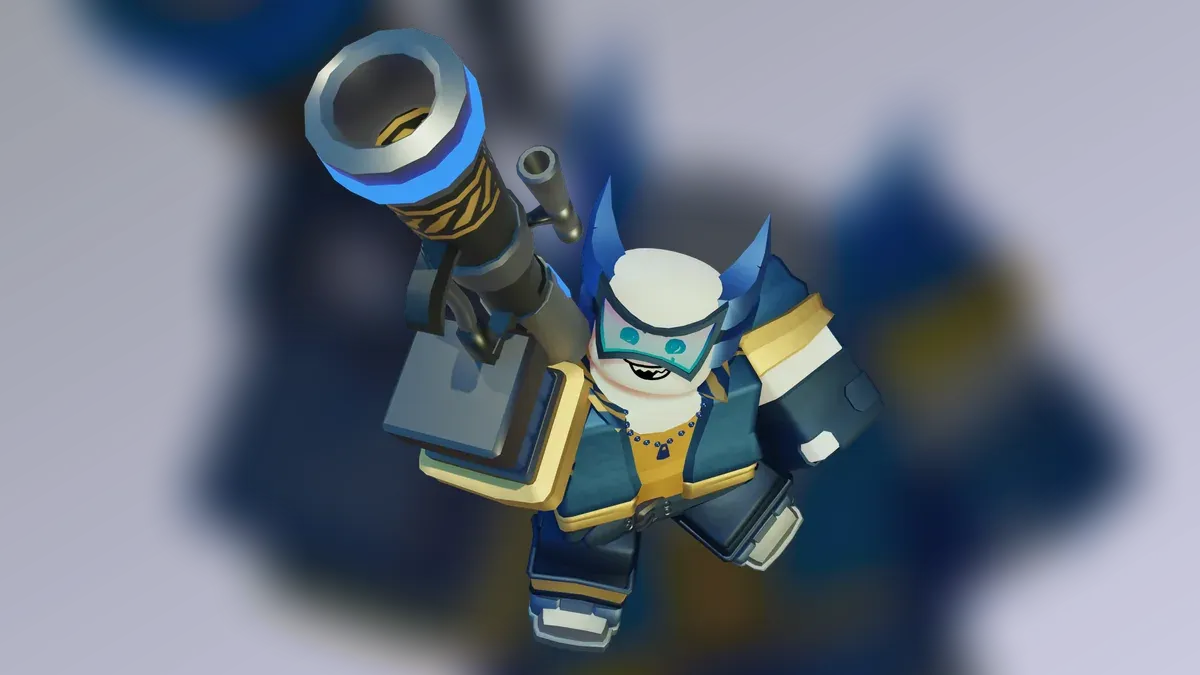
Where is the training area?
Look for Training in the server selection menu reached through Zuka. The official Wiki server page describes Zuka’s Warehouse as two seaside warehouses containing dummies with different health, resistance and status effects, plus cloning machines. It also says the area is accessible through private servers.
That source was last edited 17 September 2026, before Beta, and was reviewed here on 16 October. Use the current selector if a label or route has changed. The practice schedule below is editorial advice, not a developer-prescribed routine or a measured fastest improvement method.
What should a short warm-up include?
Choose one Phighter and keep the same settings throughout the exercise. Read the current tooltip first, particularly if an old video uses a pre-Beta ability name.
| Practice block | Suggested time | Look for |
|---|---|---|
| Input and camera | 2 minutes | Move, turn and use an ability without losing your target |
| Basic attack | 3 minutes | Aim from a useful range rather than standing against a dummy |
| Ability sequence | 3 minutes | Finish a sequence with a way to escape or defend |
| Movement reset | 2 minutes | Return to cover after dealing damage |
For ranged characters, alternate between stationary aim and moving while firing. For melee, rehearse the approach as well as the hit: a clean combo on a stationary target does not show whether you can reach a real opponent safely. For support, rehearse switching attention between an ally’s position and an enemy threat.
How do you use dummies without drawing the wrong conclusion?
Compare like with like. Record the dummy’s health, resistance or active status before comparing attacks. A different damage number can come from the target rather than a changed ability. Use health and shields and status effects to interpret the result.
Training also cannot reproduce every human response. A dummy does not retreat, bait an ability or coordinate a counter-engage. Treat a successful sequence as input practice, then test the decision to use it against players. Do not infer public progression payouts or an XP farming method from a training interaction.
How do you transfer practice into a match?
Pick one goal for the next three matches. Examples include reaching cover before firing, saving an escape until pressured, or checking a teammate’s position before entering. Keep the goal observable: “use the nearest cover before the first shot” gives better feedback than “play better.”
After each match, record one success and one avoidable mistake. If the input failed, return to the Warehouse. If the input worked but the fight was lost, review positioning or timing instead. The beginner guide and advanced positioning guide cover those decisions.
When is private practice more useful?
Use a private match when you need an opponent, a specific map or repeated Phinisher timing. Agree on the situation before changing rules. Once a drill becomes predictable, return to ordinary matches to test adaptation. Consult aim and sensitivity only if there is a repeatable input problem; changing sensitivity after every loss hides whether practice helped.
Related Articles
guides
PHIGHTING! Beta Ability Names — Old and New Name Reference
Translate old PHIGHTING! ability names into Beta terminology for Ban Hammer, Shuriken, Skateboard and more without mistaking a rename for a balance change.
guides
CMF Enemies Guide — Zombie Waves and Target Priority
Identify PHIGHTING! CMF zombies, their documented first waves and dangerous behaviors, then choose targets without leaving the Noisemaker exposed.
guides
CMF Unchained Guide — Endless Waves, Teams and Boss Cycles
Prepare PHIGHTING! CMF Unchained runs with the full roster, repeated Venomshank encounters, post-boss restocks and a sustainable team defense plan.
Was this helpful?
Thanks for the feedback!